

How to Describe Eyes in Writing: A Guide to Emotion, Expression, and Depth
Have you ever looked into someone’s eyes and felt like you instantly knew something about them? Eyes aren’t just a physical feature. If you really want to describe eyes in writing, make sure that they reveal emotions, intentions, and even secrets. A well-described gaze can make a character feel alive, adding depth to their personality and interactions.
As writers, we can use eye descriptions to:
- Show hidden emotions and struggles
- Deepen character development
- Create tension in dialogue and interactions
Now, here’s a wild thought: did you know scientists believe your eyes process up to 36,000 visual messages an hour? And somehow, they do it while reflecting your inner world to everyone around you. That’s mind-blowing, isn’t it?
In this guide, we’ll explore how to describe eyes in writing effectively, from capturing emotions and crafting vivid descriptions to incorporating neurodivergent perspectives like ADHD and autism. We’ll also examine how subtle eye movements and expressions can add layers of meaning to your storytelling.
1. Life Behind the Eyes: A Window to Vitality
A character’s eyes can hint at their emotions, energy, and past experiences. They are like windows into the soul, revealing hidden truths that words may not express. A weary gaze might tell a story of heartbreak, while a bright, unwavering stare could signify unshakable determination. Eyes brimming with life, bright and shiny, might show enthusiasm, youthfulness, or peace. On the other hand, dull or lifeless eyes could hint at exhaustion, disillusionment, or hidden struggles. Eyes reflect the weight of a past burden, the spark of an unspoken thought, or the hesitation of a concealed fear.
Consider what their gaze reveals:
- Bright, shining eyes → Youthfulness, enthusiasm, or joy
- Dull, lifeless eyes → Exhaustion, disillusionment, or hidden pain
- Eyes flickering with movement → Anxiety, curiosity, or excitement
- Unwavering, steady gaze → Confidence, intensity, or confrontation
Example:
“The veteran’s eyes carried a weight that spoke of battles fought long after the last sword was sheathed.”
By learning how to describe eyes in writing, you can create deeper character connections and bring unspoken emotions to life on the page.
2. The Smallest Eye Movements Tell a Story
Tiny shifts in a character’s gaze can reveal emotions without a single word spoken. A fleeting glance can betray a secret, while a lingering stare might expose an unspoken longing. The way a character’s eyes move—or don’t move—can heighten tension, deepen relationships, or hint at hidden truths. Sometimes, a quick flick of the eyes can signal nervousness, while an intense, unblinking gaze can unsettle or captivate. Here are some common eye movements and their possible meanings:
- Darting eyes → Nervousness or a feeling of being trapped
- Unfocused stare → Someone lost in thought or emotionally detached
- Looking away mid-conversation → Guilt, discomfort, or hesitation
- Holding eye contact for too long → Either dominance or deep connection
For example:
“Her gaze flickered to the ceiling as she spoke, as if searching for the right words hiding in the shadows.”
When you describe eyes in writing, consider these subtle details to make characters feel more realistic and expressive.
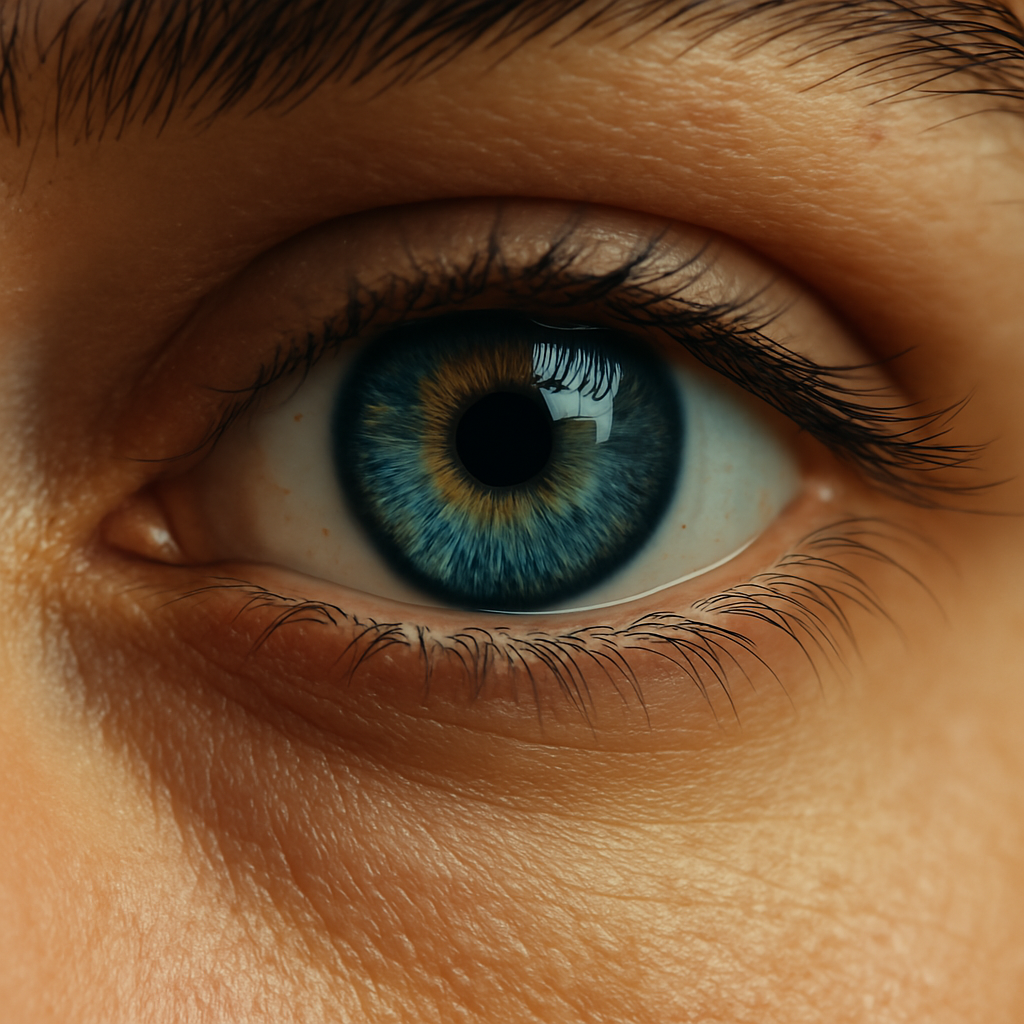
3. The Eyes and Neurodiversity: Beyond the Gaze
Not everyone experiences or interprets eye contact the same way. Neurodivergent characters, such as those with ADHD or autism, may interact with eye contact differently, and these differences can add depth and realism to your storytelling. For some, eye contact can be overwhelming, creating a sense of discomfort or even anxiety. Others may use it strategically, engaging in brief glances at key moments to emphasize their words or emotions. Understanding these variations can help writers craft authentic and nuanced characters who reflect the richness of human experience.
Remember, your characters also deserve to have faces that tell their stories, and your readers deserve to meet faces they won’t forget.
Writing ADHD Eye Contact:
✔ Some individuals avoid direct eye contact to focus better on processing words.
✔ Looking away doesn’t mean disinterest—it can be a coping mechanism for overstimulation.
Writing Autism & Eye Contact:
✔ Some autistic individuals avoid eye contact to prevent sensory overload.
✔ Others may briefly lock eyes at key moments to emphasize a point.
For instance:
“His eyes stayed fixed on the corner of the room, but his words were sharp and direct, leaving no doubt he was fully engaged.”
By incorporating these details, you can describe eyes in writing with greater accuracy, ensuring that your characters’ interactions reflect a diverse range of human experiences. This guide will help make your character’s eyes stand out.
Conclusion: Unlocking the Power of Eye Descriptions in Writing
Consequently, the eyes are more than just a feature, they are a powerful storytelling tool that conveys emotion, depth, and hidden truths. Whether they shine with excitement, cloud with exhaustion, or flicker with unspoken words, eyes can reveal a character’s inner world in ways that dialogue alone cannot. A hesitant glance can hint at fear, a steady gaze can exude confidence, and a fleeting look can betray a secret. Moreover, by mastering eye descriptions, writers can build stronger emotional connections between readers and characters, making every glance, stare, and flicker count.
When you describe eyes in writing, you enhance your storytelling by adding subtle layers of emotion and depth.
But eyes don’t just express emotions. They hold deeper meaning in literature. In Part 2, we’ll explore the symbolism of eyes, uncovering themes like truth, deception, power, and perception.
For more insights on crafting compelling eye descriptions, check out this guide on giving your characters a pair of eyes.
Write your book with us
Join the Write Your Books community on Skool. It is free to join, and you get step-by-step help, weekly prompts and other writers cheering you on.
