
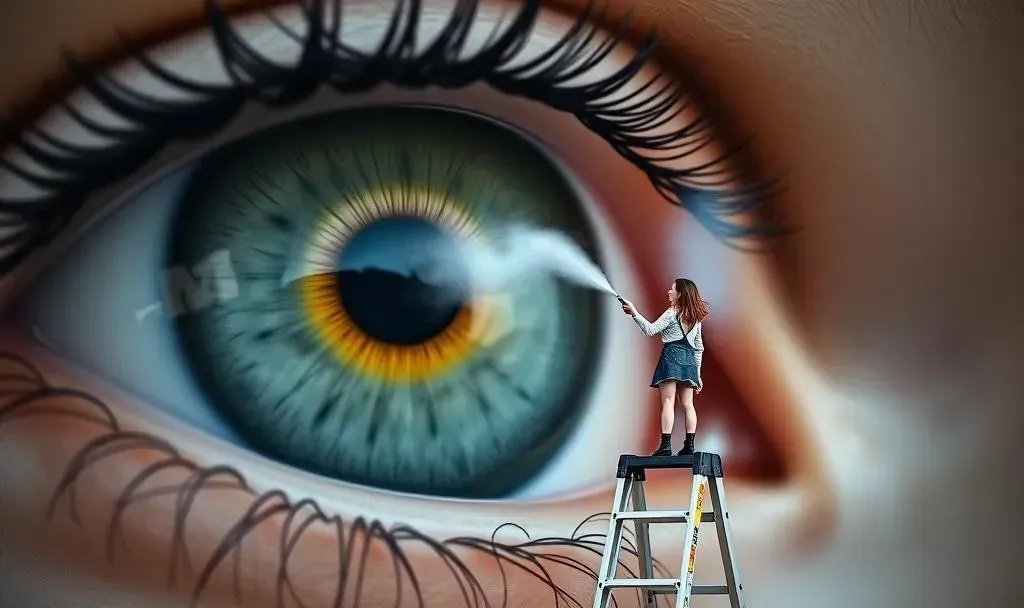
Character Eyes: How to Make Them Stand Out
Why Character Eyes Matter in Development
Character eyes can captivate, unsettle, or reveal more than their words ever could. Have you ever read a book where a character’s eyes stopped you in your tracks? Maybe it was their color, shape, or the way they seemed to hold a secret. Writers often say that eyes are the windows to the soul, but let’s be honest—how many times have we heard that before? Instead of clichés, let’s explore how to make your character eyes truly unforgettable.
How Character Eyes Drive Your Story Forward
Character eyes don’t just sit there looking pretty. They signal mood changes, add tension, and reveal what a character isn’t saying out loud.
Examples and Ideas:
- Eyes That Shift Focus: Show mood or power dynamics.
Example: “Her character eyes dropped to the table, tracing the rim of her glass. She couldn’t meet his gaze—not yet.” - Eyes That Give Away Lies: A flicker or twitch can betray a hidden thought.
Example: “He smiled, but his pupils darted too quickly to the door—a fleeting escape plan.” - Eyes Moving Against the Scene: Highlight distraction or disconnection.
Example: “While the crowd roared at the explosion on screen, John’s character eyes lingered on the shadow slipping out of the theater.”
Character Eyes That Reveal Hidden Emotions
Character eyes are a powerful tool for showing emotion shifts. They can signal heartbreak, defiance, or vulnerability without a single word.
- Before-and-After Contrast: Show transformation through the eyes.
Example: “Her character eyes, once pools of innocence, hardened like molten steel cooled too fast.” - Breaking Eye Contact as Vulnerability: Show the moment a character’s guard slips.
Example: “He held her gaze like a lifeline, but when she looked away, his shoulders sank, as if the rope had finally snapped.” - Eyes That Mirror Others: Eyes can reflect emotions between characters.
Example: “The fear wasn’t his—he saw it in her wide, pleading character eyes, and it filled his own chest with lead.”
Character Eye Color: More Than Just a Shade
Eye color can do more than just describe a character. it can hint at personality, emotions, or even their backstory. Jaden from Sherrilyn Kenyon’s Dark-Hunter series has heterochromia—one eye dark brown, the other green—mirroring his dual personality. A character’s eye color can tell a deeper story.
Character Eye Shapes: The Secrets They Tell
- Almond Eyes: Mysterious and intense, like Aragorn’s piercing gaze in The Lord of the Rings.
- Round Eyes: Open and curious, full of wonder, like Hermione Granger’s.
- Hooded Eyes: Thoughtful, intense, and brooding—perfect for the quiet observer.
- Monolids: Unique and striking, carrying cultural significance and depth.
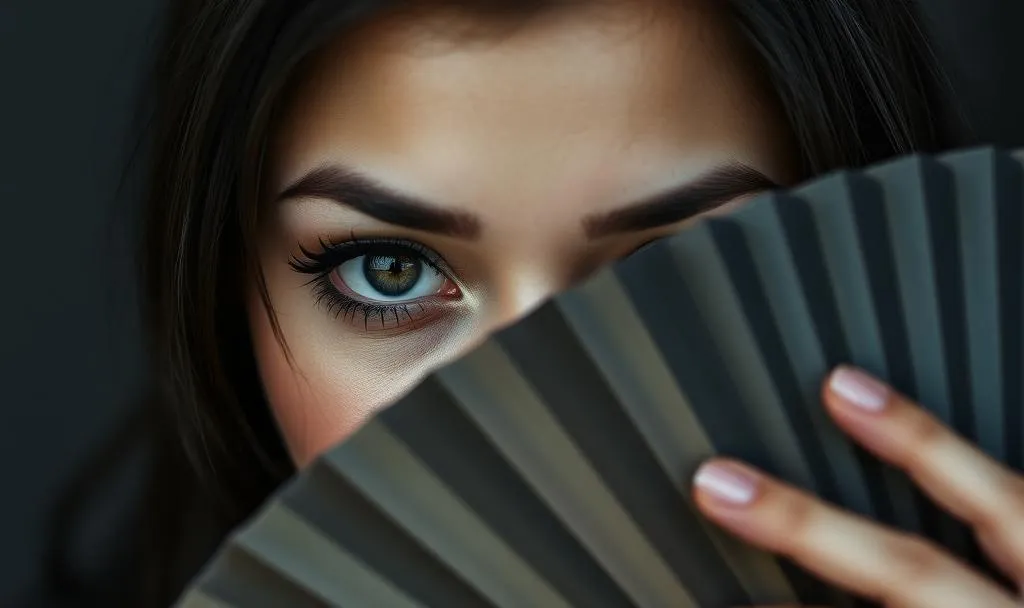
The Eyes Don’t Lie: Expressions Are Everything
A character’s gaze can reveal their feelings, even when their words don’t. Michael Corleone from The Godfather is a prime example—his transformation from reluctant son to ruthless leader is mirrored in the cold shift of his gaze.
Even subtle movements, like a flicker or a lingering glance, can add layers of meaning. Someone who locks eyes might be confident—or have something to prove. Avoiding eye contact entirely? That speaks volumes about their inner world.
A Touch of Mystery: Give Those Eyes Some Quirks
Want to make your character’s eyes unforgettable? Give them a unique trait. Maybe their pupils dilate unnaturally in the dark, or their irises catch the light in a hypnotic way. Small quirks like these create intrigue and keep readers hooked.
Give your characters eyes that do more than see. Make them speak.
🔹 Want more tips on describing characters? Check out our previous post on How to Describe Eyes in Writing: A Guide to Emotion, Expression, and Depth for more ways to bring your character’s gaze to life.
🔹 Looking for inspiration beyond the eyes? Read How Nonverbal Cues Bring Fictional People to Life to craft a memorable character that complements your storytelling.
🔹Don’t be afraid to describe your characters’ eyes in a novel. Here’s some tips Good Story Company to help you in describing eyes in writing.
Write your book with us
Join the Write Your Books community on Skool. It is free to join, and you get step-by-step help, weekly prompts and other writers cheering you on.
