
The Symbolism of Eyes in Writing: Truth, Power & Hidden Meanings
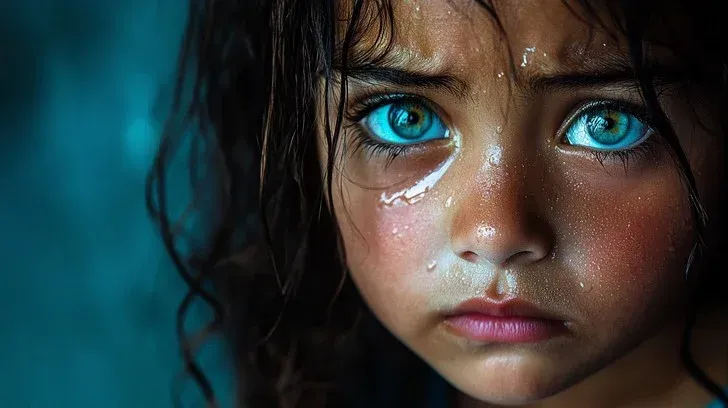
Writers often say that eyes are the windows to the soul, but they’re also powerful symbols of truth, perception, and dominance in storytelling. A single glance can reveal hidden emotions, a steady gaze can assert dominance, and an averted look can hint at guilt or vulnerability. From ancient myths to modern fiction, eye symbolism in literature shapes the way we interpret characters and their intentions.
In Part 1, we explored how to describe eyes to convey emotions and neurodivergence in storytelling. Now, in Part 2, we’ll uncover the deeper meaning of eyes in literature —from ancient myths to modern fiction.
1. Eye Symbolism in Literature: More Than Meets the Eye
A. Truth vs. Deception
The eyes often serve as a gauge for honesty or secrecy. A steady, unflinching gaze can suggest sincerity, while shifty or darting eyes might indicate hidden motives.
- Wide, steady eyes → Honesty and openness
- Shifty, darting eyes → Guilt, deception, or anxiety
This literary eye symbolism can create tension and deepen character arcs.
Example:
“For a moment, her gaze faltered, landing on her hands, as if seeking an escape from the question hanging in the air.”
B. Knowledge & Perception
Eyes are often linked to wisdom and awareness, but in some stories, knowledge comes at a price.
- In Norse mythology, Odin sacrificed one eye for deeper wisdom.
- A character with one blind eye might “see” more than others, sensing deception or hidden truths.
This meaning of eyes in writing adds layers of depth, hinting at foresight, intuition, or even supernatural insight.
Example:
“His milky, scarred eye might’ve drawn stares, but it was the sharp gleam in his good eye that unnerved her—like he could see straight through to the lies she hadn’t even spoken yet.”
C. Power & Dominance in Eye Contact
Eye contact can be a battlefield, with power dynamics at play. The way characters engage in eye contact reveals power dynamics and relationships.
✔ Predator’s unblinking stare → Intimidation and control
✔ Looking away first → Submission or uncertainty
✔ Holding a gaze too long → Challenge or deep connection
Example:
“Her calm, unblinking stare was harder to hold than he’d expected, like it carried questions he wasn’t ready to answer.”
2. The Science of Expressing the Eyes in Storytelling
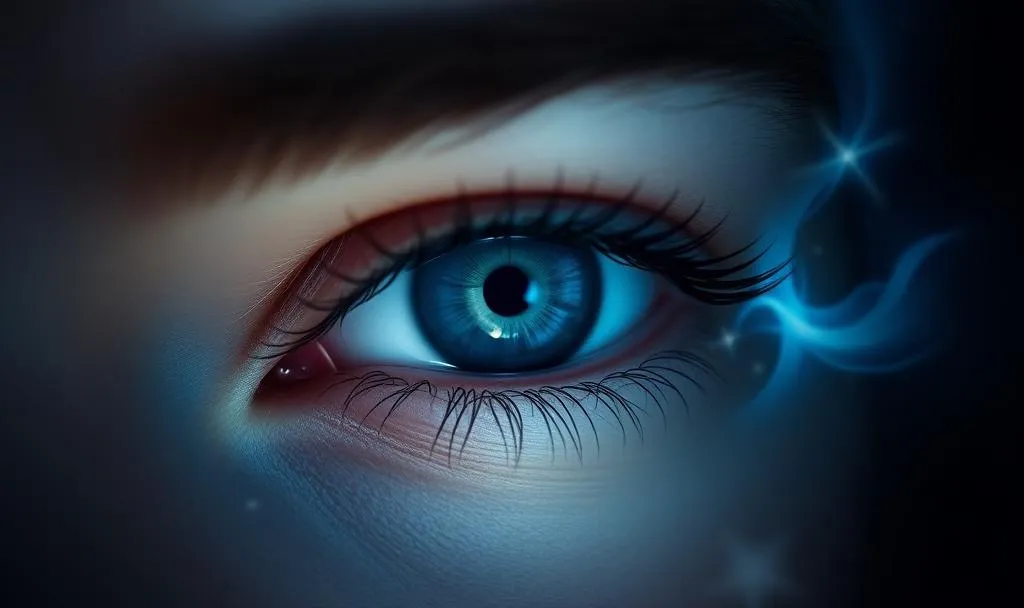
Writers can use real-life psychological cues to enhance character interactions.
✔ Microexpressions reveal emotions faster than we can hide them.
✔ Pupil dilation occurs when someone is interested, scared, or attracted.
Adding these details enhances eye symbolism in literature, making characters feel more lifelike and engaging.
Example:
“For a fraction of a second, his eyes widened, just enough for her to know she’d hit a nerve. Then, just as quickly, the mask slipped back into place.”
Conclusion & Next Steps
A character’s eyes don’t just show emotion —they also shape how others perceive them. Whether symbolizing wisdom, deception, or dominance, eye descriptions can add rich layers of meaning to your writing.
Want to strengthen your character descriptions even more? If you missed Part 1, check it out here:
→ [Read Part 1: How to Describe Eyes in Writing: A Guide to Emotion, Expression & Depth ]
Ever wonder why the eyes are called Windows to the Soul? Find out here: Windows to the Soul: Why Eyes Reveal More Than Words
Write your book with us
Join the Write Your Books community on Skool. It is free to join, and you get step-by-step help, weekly prompts and other writers cheering you on.
