
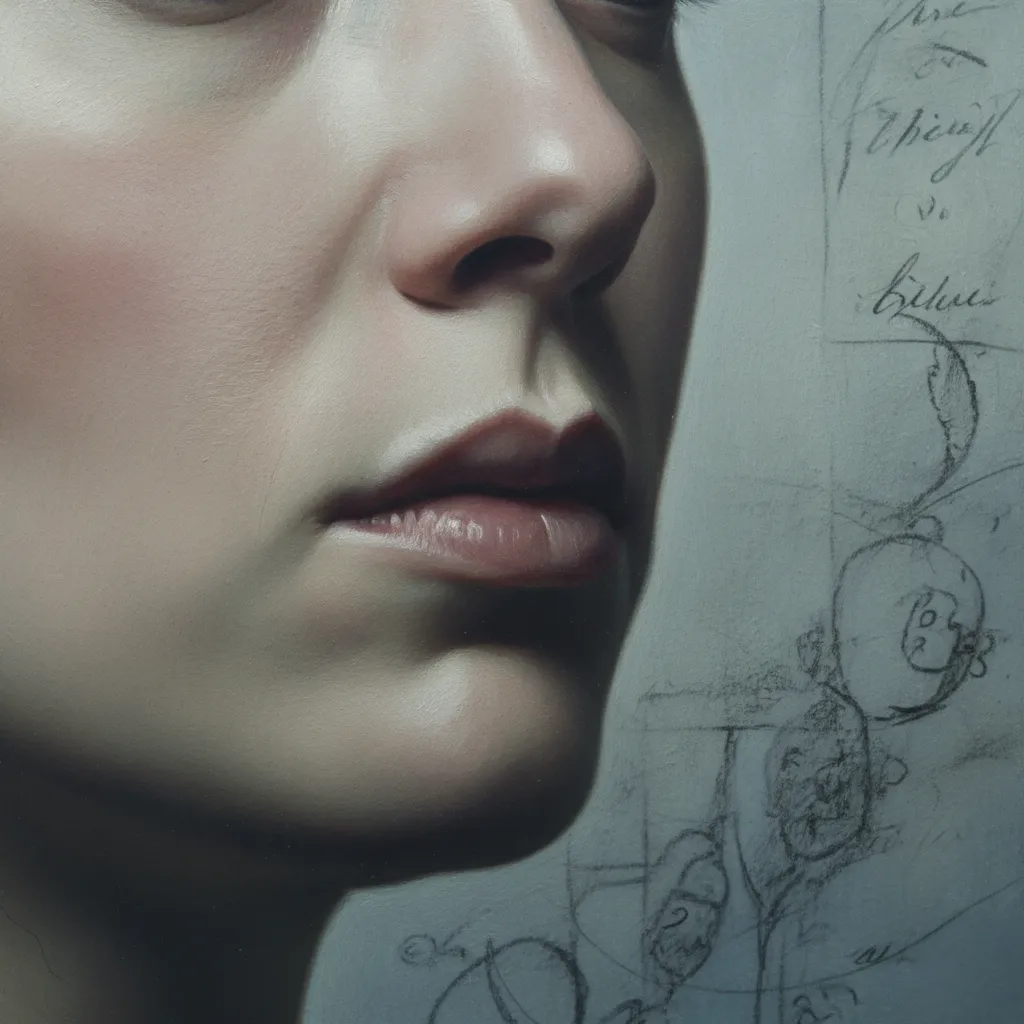
Storytelling with Lips: A Key to Deeper Characters
When crafting memorable characters, writers often think about backstory, dialogue, or dramatic action. But one overlooked technique can transform your prose: storytelling with lips. By focusing on the character’s mouth in writing, you can reveal emotion, history, and personality without a single word. These subtle, non-verbal character cues bring characters to life, making readers feel the story instead of just reading it.
One of the most overlooked yet potent tools in a writer’s arsenal is the detailed and deliberate depiction of a character’s lips and mouth. More than just a vessel for dialogue, the way a character holds, moves, or uses their mouth can reveal layers of emotion, history, and personality. It’s the kind of detail that turns a flat figure into a breathing, relatable human being.
Why the Character’s Mouth Matters in Writing
Writers know the rule “show, don’t tell,” but many overlook how a character’s mouth can embody this principle. A lip curl, a bitten edge, or a trembling smile communicates what dialogue alone cannot. When you practice using lips to show emotion, you add layers of depth to your characters.
For a deeper understanding into the art of description, see this guide on 5 Physical Traits That Reveal Character Emotion.
You can also explorebody language in fiction from Writer’s Digest, which highlights how subtle gestures enrich storytelling.
Using Lips to Show Emotion: The Silent Language
Think for a moment about the sheer range of expressions a person’s mouth can convey. Here are examples of how writing character expression can replace plain telling:
- The Tense, Thin Line: This isn’t just a sign of anger. It could be someone suppressing a laugh, biting back a sarcastic retort, or trying desperately to hold back tears. This simple detail signals an internal struggle, an emotional dam about to break.
- The Subtle Smirk: A smirk isn’t a full smile. It’s an asymmetrical, often one-sided expression that hints at arrogance, secret knowledge, or playful mischief. It tells us that what the character is saying might not be the whole truth, or that they are enjoying a moment others don’t understand.
- The Puckered “O”: Often associated with surprise, a puckered mouth can also show concentration, confusion, or a childlike innocence. Imagine a character’s mouth forming this shape as they examine a complex puzzle or watch a magic trick. It instantly draws the reader into their moment of wonder.
- The Habitual Lip Bite: This seemingly small action can speak volumes. Is it a sign of nervousness, a long-held habit born from anxiety? Or is it a gesture of deep thought, a way to anchor oneself while navigating a difficult decision? A recurring lip bite can become a character’s unique and defining tic, making them feel more authentic.
A Mouth Holds a Story
Sometimes, writing character expression beyond the moment further enhances the story. A character’s mouth also reflects their past. In storytelling with lips, even scars or wrinkles become meaningful details:
- Faded Scars: A small scar near the corner of a character’s mouth could hint at a past fight, an accident, or a youthful escapade. It’s a silent marker of a story waiting to be told.
- Laugh Lines vs. Frown Lines: The permanent lines etched around a person’s mouth tell the story of their life’s predominant emotions. Deep laugh lines suggest a joyful, optimistic past, while downward-turned corners and permanent frown lines can hint at a life of hardship or a cynical disposition.
How to Describe a Character’s Mouth in Practice
Let’s look at how you can use this in your own work. Instead of telling emotion, try description.
❌ He was nervous.
✅ His lips pressed into a thin, white line as he waited for the verdict.
❌ She was happy.
✅ Her mouth curved upward, the corners lifting just enough to reveal a secret joy.
This is the essence of storytelling with lips: making readers feel alongside your characters. By focusing on these specific details, you force the reader to engage with the character on a deeper, more visceral level. You’re telling them what the character feels. You’re also showing them, allowing them to feel it alongside the character.
Final Thoughts: Give Your Characters More Than a Voice
Next time you write, don’t just give your characters dialogue. Think about how they hold their silence. A trembling lip, a smirk, or a still mouth may reveal more than words ever could.
By embracing storytelling with lips, you elevate your craft, weaving emotion, history, and subtlety into every scene.
Write your book with us
Join the Write Your Books community on Skool. It is free to join, and you get step-by-step help, weekly prompts and other writers cheering you on.
