
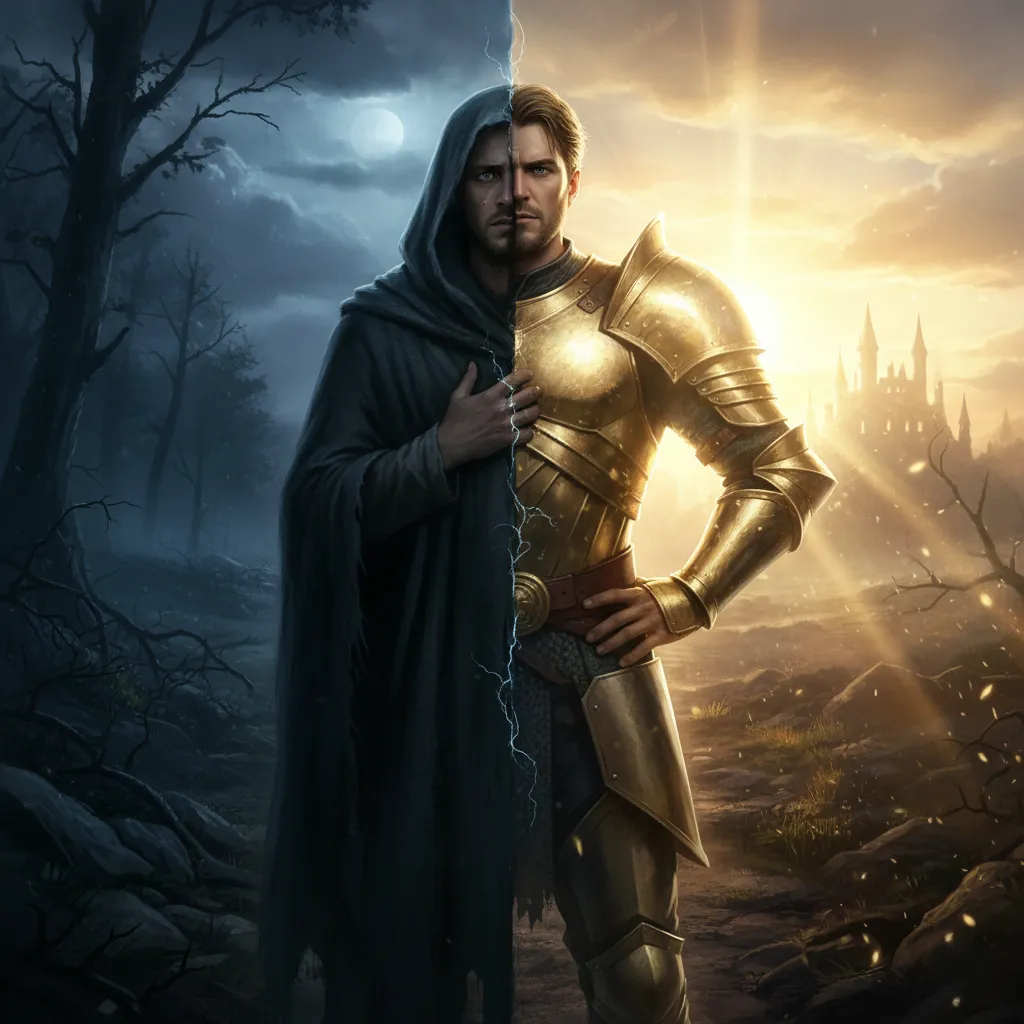
The Paradox Principle: Why Contradictions Make Characters Feel Real
Readers are often most drawn to characters who are perfectly imperfect and messy. These are the ones who want two conflicting things at once and hide truths even from themselves. This is the essence of contradictory characters in fiction, and it is the most powerful tool for creating a cast that feels achingly human, staying with us long after the final page. Real people often hold conflicting traits, such as courage wrapped in fear or confidence hiding insecurity. Therefore**,** incorporating these paradoxes into your characters is the heartbeat of emotional depth, shaping inner conflict and building tension.
If you’ve explored concepts like internal conflict or character values in your writing, this is the next step: the beautiful paradoxes that shape identity and drive storytelling.
Why Character Contradictions Matter
Real people contradict themselves constantly. We can be brave in public but terrified in private. Some are loyal but resentful. Others are optimistic but catastrophizing at 2 a.m.
Characters are no different.
In fiction, contradictions make characters:
1. Believable They mirror the inconsistency of human psychology.
2. Multifaceted Opposing traits create emotional and narrative depth.
3. Relatable Readers often say, “I feel this,” even when they can’t express why.
4. Unpredictable Contradictions spark tension and surprise without breaking character logic.
Ever met someone bold in public but vulnerable in private? That duality hits because it mirrors real people and not the archetypes.
When used intentionally, contradictions become the backbone of memorable storytelling.
Types of Character Contradictions
Not all paradoxes are created equal. Contradictions create friction that are both internal and external. Specifically, a paradoxical character is unpredictable but understandable, surprising yet believable. Readers are drawn to:
- dynamic emotional contrasts
- moral and psychological tension
- characters who defy simple labels
Most contradictory characters in fiction fall into these categories. Let’s talk about them.
1. Internal Contradictions
These are emotional or psychological tensions.
Examples:
- A warrior who fears intimacy.
- A leader who doubts every decision made.
- A caregiver who secretly resents her responsibilities.
- A hero who fears failure but never stops fighting.
These contradictions deepen inner orInternal Conflict in Writing.
2. Behavioral Contradictions
These show up in actions, habits, or patterns.
Examples:
- Someone who gives great advice but never follows it.
- A detective who bends the law yet demands justice.
- A priest who loves casino nights.
- A friend who preaches honesty but lies to protect others.
These contradictions make characters dynamic and unpredictable, while still grounded in emotional truth.
3. Moral Contradictions
A protagonist who makes dark choices for noble reasons.
These forms of character contradictions build complexity that hooks readers and challenges plot directions.
How to Build Conflicting Traits in Characters
Contradictions work when they are:
1. Rooted in a Core Truth
Contradictions shouldn’t be random.
They should come from one of these:
- Childhood experience
- Trauma or fear
- Deep desire
- Social or cultural pressure
- Internalized belief
Example:
A character terrified of abandonment may push people away. This is contradiction, but rooted in truth.
2. Revealed Through Tension
Let contradictions be shown in:
- Dialogue
- Hesitation
- Mistakes
- Actions under pressure
- Conflicting opinions
The more pressure you put on a character, the more contradictions rise to the surface.
3. Used to Shape Plot
Plot shape events, including it’s character choices.
Contradictions affect:
- Alliances
- Betrayals
- Sacrifices
- Turning points
- Climaxes
A character torn between loyalty and justice, for example, becomes the spark of an entire storyline.
4. Allowed to Evolve
Contradictions don’t need to be resolved immediately.
But they should shift with the story arc.
They can:
- Deepen
- Explode
- Heal
- Reverse
- Transform
This evolution helps you create rich internal arcs that complement plot movement.
How Contradictions Deepen Story Structure
Character paradoxes shape turning points, reversals, and outcomes. They influence:
- flawed decisions
- emotional growth
- unexpected reactions
- relationship tension
For a deeper dive on structural impact, check out this Reedsy guide on how character psychology influences story structure.
Common Mistakes When Writing Contradictory Characters
Avoid these pitfalls:
❌ Making contradictions random - They must connect to a deeper emotional core.
❌ Making characters incoherent - Contradictions should enhance personality, not confuse readers.
❌ Forcing resolution too early - Let internal tension simmer to build suspense.
Examples of Paradoxical Characters
- A healer who cannot heal themselves
- A warrior who hates violence
- A leader who doubts every decision
- A romantic who fears commitment
When used intentionally, contradictory characters in fiction become unforgettable.
Downloadable Resource: The Character Paradox Map
This is the perfect worksheet for writers who want to chart contradictions with clarity.
Sections include:
✔ Core Trait vs. Hidden Trait
✔ Emotional Roots of Each Contradiction
✔ Pressure Triggers
✔ Dialogue Examples
✔ Plot Consequences
Download The Character Paradox Map
Contradictions humanize the characters. Sometimes, they’re allowed to bend the truth. When your protagonist wants two incompatible things or behaves in ways that make them hesitate, fumble, or grow, readers lean in. They recognize something familiar. Something real. Something unforgettable. Craft your contradictions with intention, and you’ll build characters who feel alive on the page—messy, flawed, and beautifully human.
Write your book with us
Join the Write Your Books community on Skool. It is free to join, and you get step-by-step help, weekly prompts and other writers cheering you on.
