
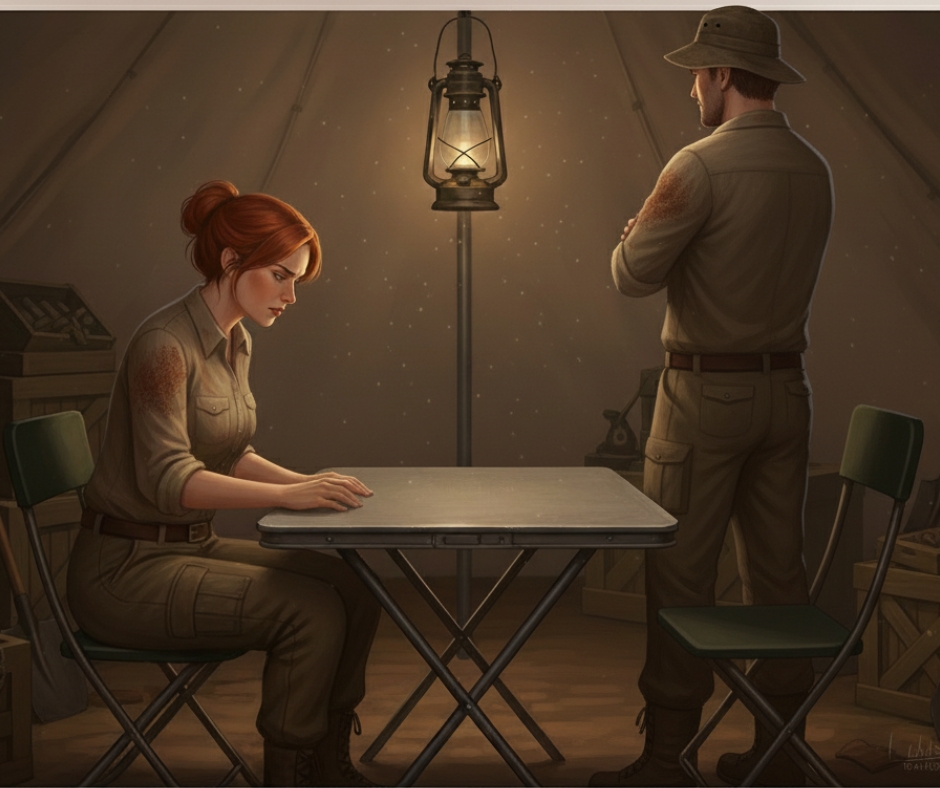
Micro-Tension: Keeping Readers Hooked in the Smallest Moments
Ever read a scene where nothing “big” happens, but you still can’t look away? That’s the magic of micro-tension in writing. It’s not always the explosions, betrayals, or plot twists that grip a reader. Sometimes, it’s a glance that lasts a second too long, a conversation that ends too soon, or a silence that hums with everything left unsaid.
It’s the subtle friction between characters, emotions, or even thoughts that keeps readers turning pages. Those tiny emotional undercurrents that live between words and actions. They create friction, curiosity, and anticipation. When done well, they turn even the quietest scenes into page-turners.
What Is Micro-Tension in Writing?
Big drama is easy to spot. But story tension at the micro level—the flicker of doubt, the half-swallowed retort, the unfinished gesture—creates emotional electricity. These small moments are what make readers lean in, wondering what might happen next.
Micro-tension doesn’t rely on conflict alone. It thrives in uncertainty, hesitation, or contradiction. A character smiling while feeling anxious. A kind gesture delivered with resentment. These contradictions build emotional undercurrents readers can feel but not always name.
Micro-tension in writing is the subtle, ongoing unease that keeps readers emotionally invested. It’s the spark that flickers beneath every line of dialogue, every choice, every pause.
Examples:
- A character smiles while gripping their cup too tightly.
- Two friends talk about the weather, but both avoid mentioning last night’s argument.
- A letter sits unopened on the desk, its presence saying more than its contents ever could.
Learn how silence can heighten emotion and meaning in storytelling. Sometimes, it’s thequiet stakes that make the readers gasp.
Why It Matters
Without micro-tension in writing, stories fall flat between major plot points. With it, even a scene about folding laundry or waiting in line feels charged with life.
Micro-tension creates:
- Emotional pull – Readers sense something hidden beneath the surface.
- Continuity – The story flows naturally from one emotional beat to the next.
- Reader investment – Tension makes readers lean in, wanting to see what breaks.
Explore how inner rituals reveal character emotion.
Pro Tip: The Writer’s Digest: How to Use Micro-Tension to Keep Readers Turning Pages
Where to Find Micro-Tension
You can weave quiet tension anywhere, especially in the spaces where nothing “big” is happening. Look for these opportunities:
- Dialogue:
Let characters talk around the truth instead of stating it outright. “It’s fine,” she says, staring at the untouched dinner. “You didn’t have to come,” he says, hoping she’ll stay. - Body Language: Subtle gestures often reveal discomfort, longing, or anger. Fidgeting, avoiding eye contact, and holding one’s breath.
- Contradictions: When a character’s actions contradict their words, tension spikes. “I’m not angry,” she says, while slamming the door.
- Internal Conflict: Show a character thinking one thing but doing another.
Techniques for Building Micro-Tension in Writing
- Layer Subtext: Make every conversation about more than it seems.
- Pace the Reveal: Hold back information just long enough to create curiosity.
- Use Contrast: Set calm actions against emotional chaos.
- Tighten Prose: Short, clipped sentences mirror emotional strain.
Even small, precise word choices build unease. Each line becomes a live wire.
Related Reading:
Bonus Worksheet: Finding Micro-Tension in Every Scene
Download the Micro-Tension Scene Builder Worksheet to help you identify where emotional friction can strengthen your writing. Learn to revise your scenes for subtext, pacing, and silent tension.
[Download the Worksheet Here – PDF Format ]
Final Thoughts
Big moments may define a story, but small tensions sustain it. Micro-tension in writing gives quiet scenes their heartbeat, turning ordinary exchanges into moments charged with meaning.
Next time you write, look for the smallest signs of strain, longing, or hesitation. That’s where your story breathes.
Write your book with us
Join the Write Your Books community on Skool. It is free to join, and you get step-by-step help, weekly prompts and other writers cheering you on.
