
Plotting Techniques That Make Your Story Flow From Start to Finish
Plotting techniques are tools every writer can use to build a story that makes sense, holds a reader’s interest, and finishes strong. Whether you’re working on your first draft or fixing a plot that feels a little off, knowing how to handle structure and plot points makes the process a lot easier. Consequently, with the right approach, you can shape a story that flows naturally, keeps momentum, and wraps up without leaving readers confused or unsatisfied.
A good story isn’t just a pile of exciting events. It’s a chain of cause and effect. One thing leads to the next. The best plotting techniques help you connect those pieces so nothing feels random or rushed.
1. Start With the Basics of Story Structure
Every story needs a beginning, middle, and end. These might sound simple, but they’re the heart of most effective plotting techniques. Here’s a closer look at what each part does and why it matters:
- Beginning: This is where you set the tone. Introduce your main character and give readers a reason to care. Show what’s at stake or what’s about to change. If the world is peaceful, hint at the storm ahead. If it’s already chaotic, let us meet the person caught in the middle of it.
- Middle: This is where your plot really starts to stretch its legs. The character faces challenges, makes choices, and reacts to setbacks. This section is about raising the tension and making the outcome feel uncertain. Don’t just pile on problems—let each one connect to the character’s growth or the bigger conflict.
- End: Bring everything to a head. This is where the plot pays off. Whether your ending is happy, tragic, or somewhere in between, it should feel earned. Let the reader see how the main conflict is resolved and what that resolution means for the character.
Moreover, this doesn’t mean every story needs to look the same. But these basic beats give your plot structure, which makes it easier to follow and more satisfying to read.
If you want help crafting the world your plot lives in, check out Five Types of Setting in Fiction Writing.
2. Know What Each Plot Point Needs to Do
Plot points should do more than take up space. Each one should earn its place by doing something important for the story. A good plot point shifts momentum, challenges the character, or raises new questions.
Ask yourself:
- What changes in this scene? If nothing’s different at the end, it might not be necessary.
- How does this affect the character’s goal or internal struggle?
- What would happen if I removed this scene? Would the story still work?
Strong plot points create a clear cause-and-effect chain. They don’t always need to be dramatic, but they should always matter. Even quiet moments can shift a story’s direction if they reveal something new or lead to a big decision.
3. Use Simple Plotting Techniques to Stay Organized
There’s no one right way to organize your plot. The key is finding what helps you see the big picture. Here are some easy, low-pressure ways to keep your plot from getting messy:
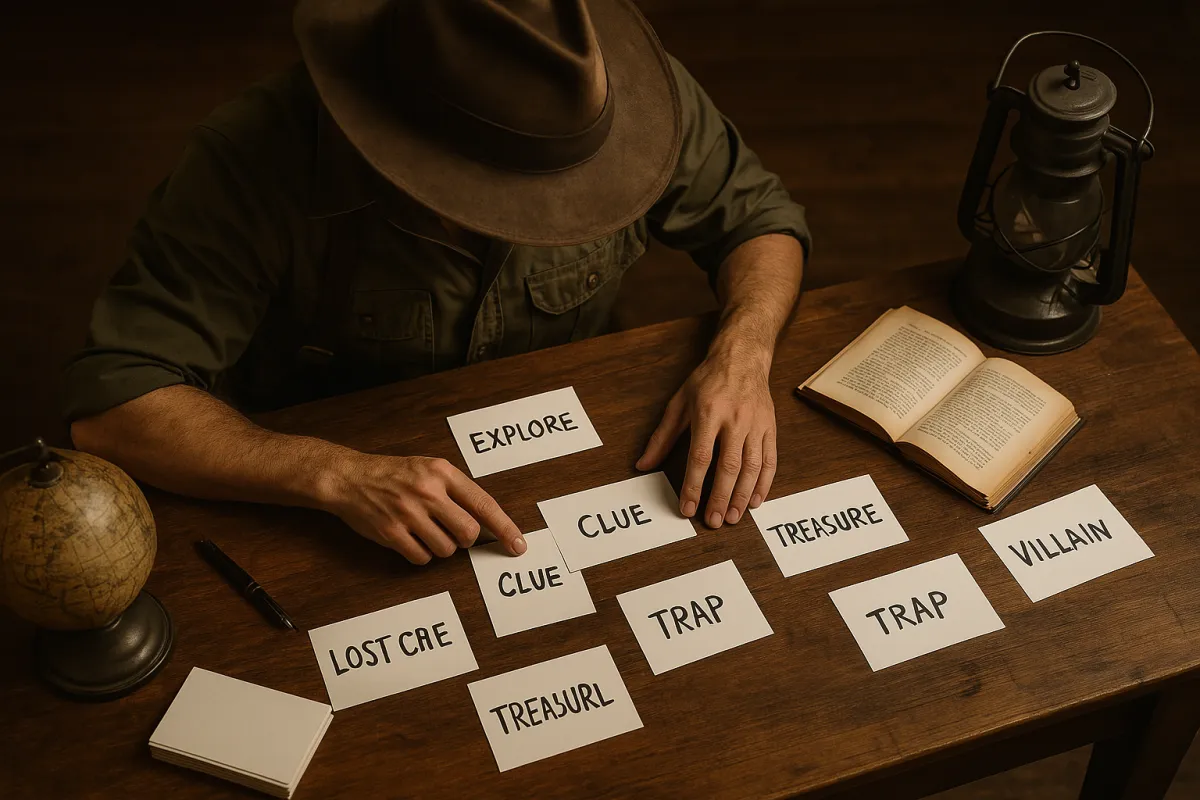
- Index Cards: Write one scene or plot point per card. This helps you see how your story fits together—and gives you permission to rearrange or cut scenes without losing track.
- The “Because” Test: Try linking scenes using “because” or “but.” (“This happened because…” or “This happened, but then…”) If your story sounds like a chain of random events, it might need more cause and effect.
- Write the Ending Early: You don’t have to commit to it, but having a rough idea of where you’re headed makes your scenes more purposeful.
- Scene List: Keep a running log of each scene’s purpose, who’s involved, and what changes. This is great for spotting slow spots or repeated beats.
You don’t need fancy tools or color-coded spreadsheets. Just something that helps you see what’s working—and what’s getting in the way.
4. Keep the Ending Clean and Clear
A common problem in plot structure is dumping new information into the final chapters. It can feel like a cheat, or worse, like the story changed the rules at the last minute. Instead of scrambling to introduce new characters, objects, or backstory, aim to resolve what you’ve already set up.
Your ending should answer the big questions you’ve asked throughout the book. Who wins? What do they lose? How have they changed?
If you’re writing a series, it’s okay to leave some threads open. But the main plot of this book should feel finished. Even if it’s part of a larger story, readers want a sense of closure.
Need help crafting twists that feel earned? This article on plot twists is a solid read.
5. Tie Up Loose Ends Without Overloading the Reader
As tempting as it is to explain every detail, you don’t need to. Most readers want clarity, not a full breakdown of every subplot or side character.
Think about what matters most:
- What did your character want at the start?
- Did they get it—or did they realize they wanted something else?
- What did they learn or become by the end?
Stick to resolving those key threads. If a subplot doesn’t support the main story or character arc, it might not need a big explanation. Leave a little room for the reader to imagine what happens next.
Too many extra twists or sudden info dumps can take the wind out of a great build-up. Let your story land.
Final Thoughts
Plotting techniques are there to help you stay on track and tell a story that makes sense. You don’t need to overthink it. Focus on cause and effect, build around your character’s goals, explore their relationship, and make sure every major event matters.
Good structure won’t box you in. It’ll give your story room to breathe without going off the rails.
Write your book with us
Join the Write Your Books community on Skool. It is free to join, and you get step-by-step help, weekly prompts and other writers cheering you on.
