
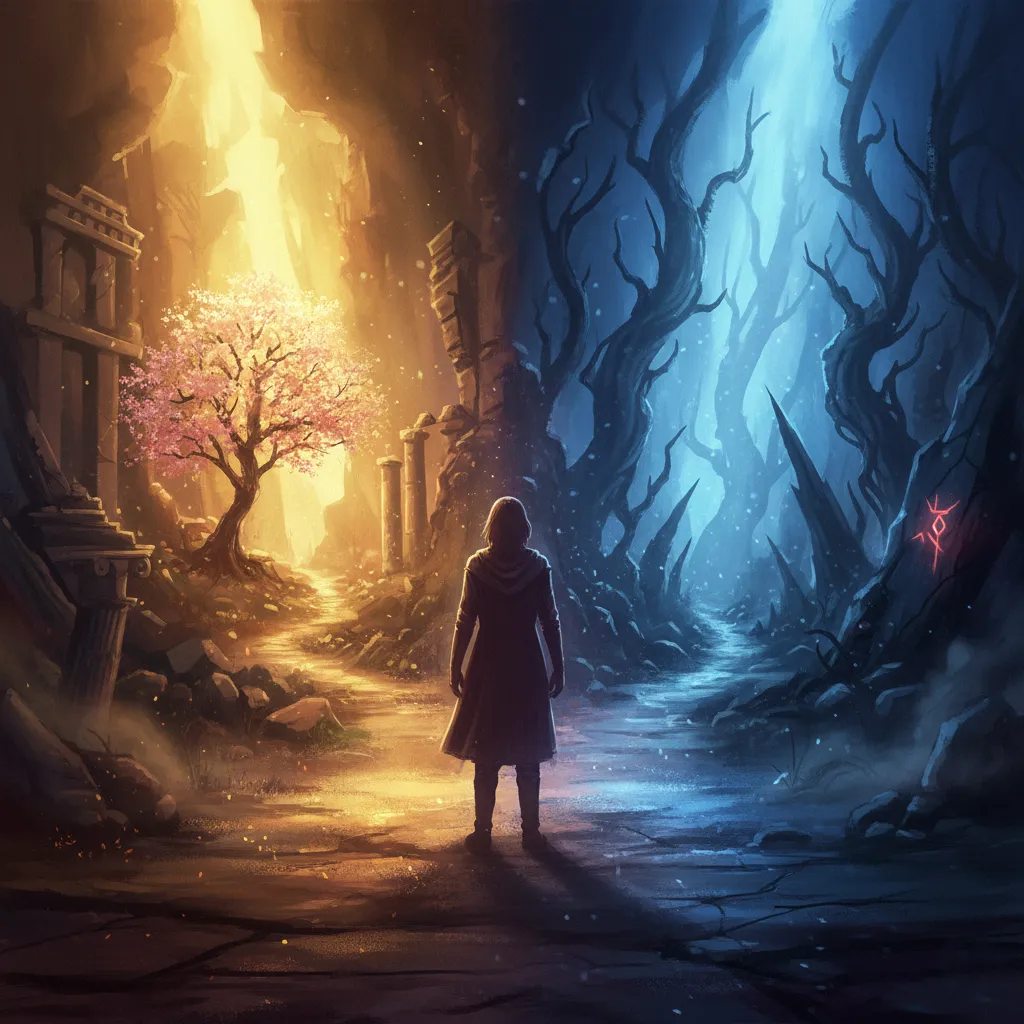
Exploring Complex Moralities: Writing Beyond Right and Wrong
Heroes aren’t always noble. Villains aren’t always cruel. But the most unforgettable characters are the ones readers obsess over. They are the ones who live in the vast, complicated space between what they want and what they believe is right. This is the beating heart of moral ambiguity in characters, and it’s one of the most powerful tools you can use to create depth, tension, and emotional resonance.
Want to explore how values shape protagonists? Visit our article on character values.
Why Moral Ambiguity Matters
Human beings rarely live in perfect blacks and whites, and the same is true for great fiction. When you use moral ambiguity in characters, you invite readers into a world where motivations clash, ethics twist, and every decision comes with a personal cost.
Readers crave characters who feel layered, unpredictable, and real. Morally gray characters mirror real-life dilemmas:
- Ethical Dilemmas - choosing between two wrongs, like when the “right” choice hurts someone else.
- Conflicting Values - loyalty vs. justice, duty vs. compassion, self-preservation vs. honor.
- Hidden Motivations - personal survival vs. moral duty. Characters may justify harmful actions for seemingly noble reasons.
These choices reveal truth, not perfection. This ethical complexity forces readers to think, and sometimes question their own beliefs. It’s there to make readers realize why contradictions make characters feel real.
Four Pillars of Moral Ambiguity in Characters
1. Values vs. Actions (The Core Tension)
Morally ambiguous characters sometimes have values, and oftentimes, they lack it. They also violate these values under pressure.
Examples:
- A pacifist who kills to protect a loved one
- A priest who lies to shield a guilty parishioner
- A loyal soldier who betrays their commander for a higher cause
This tension creates an internal war greater than any physical conflict.
As K.M. Weiland notes in her work on antagonistic motivation, even villains make choices based on deeply held beliefs—your protagonist is no different.
2. Motivations That Compete, Not Align
Instead of one clean motive, morally ambiguous characters juggle conflicting motives:
- love vs. duty
- self-preservation vs. honor
- revenge vs. justice
- ambition vs. compassion
Readers don’t always have to agree with the character—but they must understand why the choice feels inevitable.
3. Consequences That Echo
Choices must matter.
Moral ambiguity without consequences becomes aimless.
Let your character’s decisions:
- create fallout
- strain relationships
- shift alliances
- deepen guilt or denial
- ripple through the plot
Their choices don’t just reveal who they are—they change who they become.
4. A Moral Landscape, Not a Moral Label
Instead of placing your character on a spectrum from “good” to “evil,” build a moral environment around them:
- What does their society reward or punish?
- What does their culture consider honorable—or shameful?
- What moral code do they personally follow?
- What moral contradictions do they ignore… until they can’t?
When the character’s morals clash with the world’s morals, the story ignites.
How to Craft Morally Ambiguous Characters
- Tie Morality to Backstory Their past should shape their moral cracks.
- Show Consequences Ambiguous actions should create real story impact.
- Avoid Pure Evil or Pure Good Nobody is 100% of either.
- Let Characters Justify Their Behaviors Good intentions can fuel terrible decisions.
Examples of Moral Ambiguity in Fiction
- A detective who breaks the law to catch a criminal
- A healer who harms one to save many
- A hero who lies to protect someone they love
These characters stay in our minds because their moral tension resonates.
For more on crafting ethical crossroads, see this MasterClass guide to moral dilemmas.
Embrace the Gray
Great fiction lives in the spaces between certainty and doubt. When you write moral ambiguity in characters, you offer readers a compelling journey into human imperfection. Craft characters who struggle with their values, make questionable choices, and evolve through them. Your stories will carry the weight of emotional truth.
Write your book with us
Join the Write Your Books community on Skool. It is free to join, and you get step-by-step help, weekly prompts and other writers cheering you on.
