
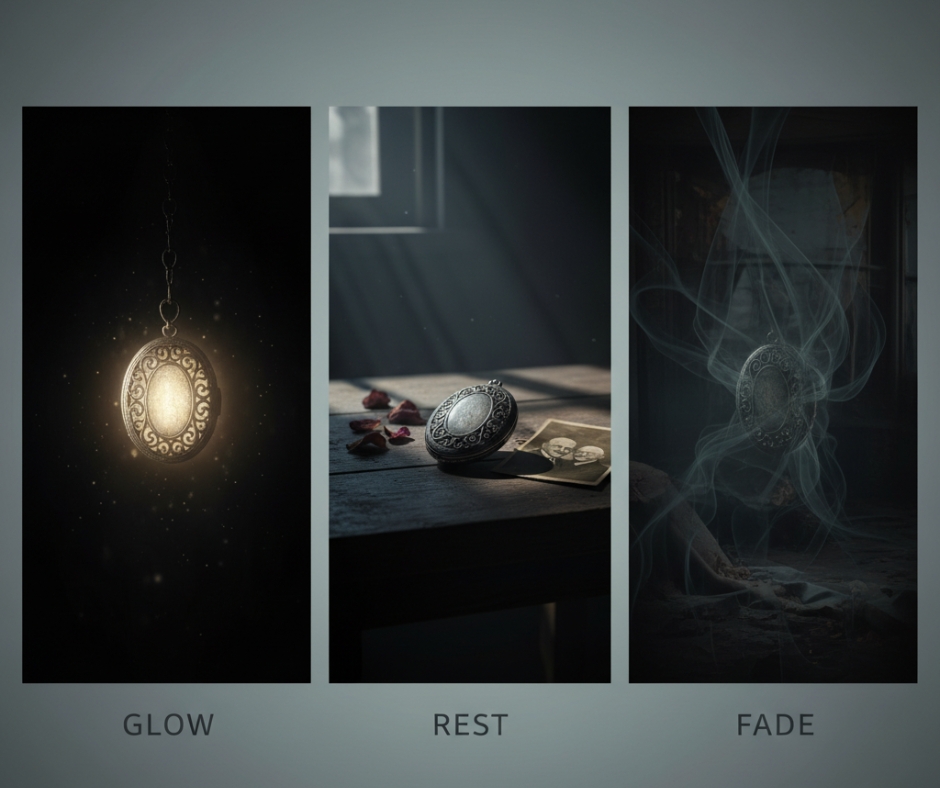
The Echo Effect: Using Repeated Motifs to Deepen Storytelling
Some stories stay with us because of their twists. Others remain because of their characters. But the ones we truly can’t forget often carry something subtler: echoes. A repeated phrase, an image that recurs, or a motif that threads quietly through the narrative can strike chords that resonate long after the book is closed. This is the power of the echo effect in storytelling.
When writers think about memorable stories, they often focus on big moments like climaxes, betrayals, revelations. Yet what lingers in a reader’s mind is often something quieter. Writers who understand the Echo Effect know that repetition, when used with intention, creates resonance. Story echoes, as they say, reminding the reader of emotional truths long after they’ve turned the last page.
What Is the Echo Effect in Storytelling?
The Echo Effect happens when small details, like an object, a phrase, a repeated action resurface in a story. These repetitions become anchors. They deepen themes, reinforce emotions, and give readers that satisfying sense of connection that makes a story unforgettable.
This technique often overlaps with motifs and symbolism. According to Masterclass on Literary Motifs, motifs are recurring elements that add depth and cohesion to storytelling. The Echo Effect works the same way, but with an added emphasis on emotional resonance.
Why Small Details Carry Big Weight
Think of a character who hums the same tune when they’re anxious. The first time it appears, it feels small. The second or third time, the reader begins to notice. By the time the character hums it before a life-changing decision, the detail holds meaning beyond itself. It becomes shorthand for their fear and courage.
This subtle layering connects directly to character psychology. If you’ve explored internal conflict in writing, you know how crucial it is to show what a character wrestles with. The Echo Effect allows you to externalize that inner battle without a single explanatory line.
Related Reading: Write Like Time’s Running Out | Using Urgency in Storytelling
How to Use the Echo Effect Without Overdoing It
Like any storytelling technique, balance matters. Too much repetition can feel forced; too little, and the reader misses the connection. The goal is to let details echo at the right moments, amplifying emotion rather than overwhelming it.
Here are three practical ways to apply the narrative motifs in the Echo Effect:
- Choose Anchors Wisely – Select one or two details that matter emotionally. A mug, a song lyric, a repeated gesture.
- Let Them Evolve – The repeated element should shift in meaning as the character grows. The mug that once felt comforting might later feel heavy with memory.
- Tie to Relationships – Echoes aren’t only inward. They can shape how characters connect. Explore this further in character relationships, where echoes of dialogue or shared rituals add depth.
For more inspiration, Reedsy’s guide to symbolism offers great examples of how recurring details carry weight across literature.
The Emotional Resonance of Echoes
Why does the Echo Effect work so well? Because human memory thrives on repetition. We return to songs, rituals, and objects that remind us of who we are. When a story mirrors that truth, it feels authentic. The detail becomes part of the reader’s own memory loop.
In your writing, echoes can also connect to rituals and habits. As we explored in Small Habits Forge Big Stories, repetition isn’t only about theme; it’s about the way tiny moments accumulate power. When those moments echo, they become the heartbeat of your narrative.
The Echo Effect isn’t about hammering the same image into your reader’s mind. It’s about weaving subtle threads that pull the emotional fabric tighter. Use it with intention, let the echoes evolve, and watch how small details leave an outsized impact.
When your readers finish the last page, they may not recall every twist in the plot—but they will remember the echoes that made them feel.
Write your book with us
Join the Write Your Books community on Skool. It is free to join, and you get step-by-step help, weekly prompts and other writers cheering you on.
