
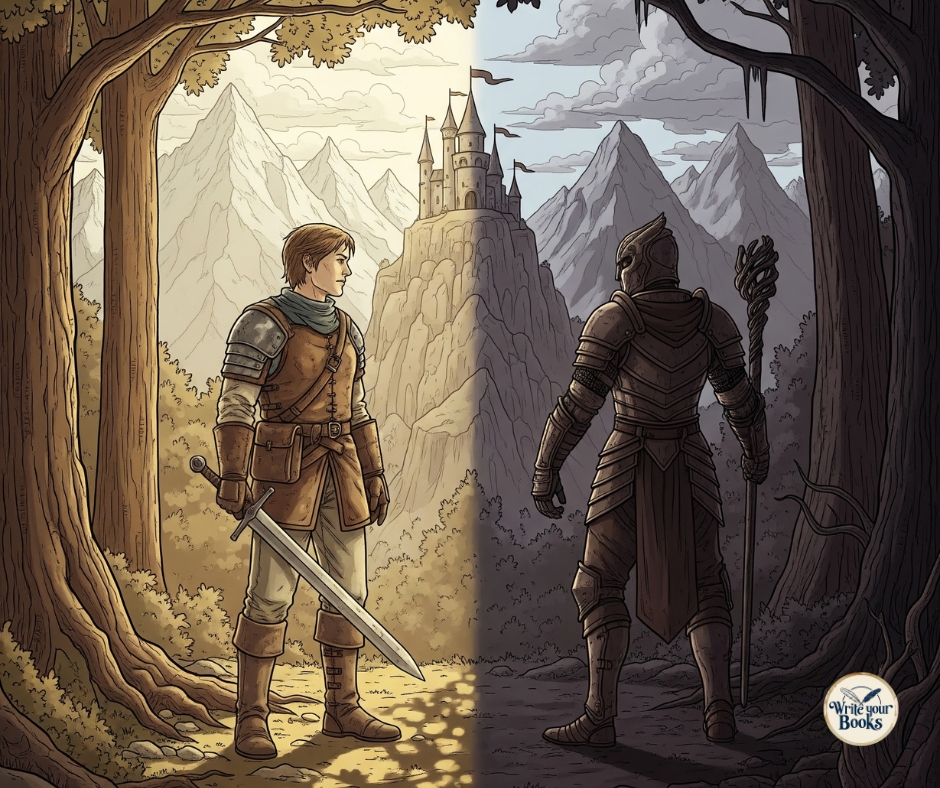
Moral Compass: How Character Values Define Your Story's Protagonists
Ever had a character who just… wasn’t clicking? You wrote their epic backstory, gave them a cool name, and maybe even a killer outfit, but they still felt a little flat. If you’ve ever felt that, you’re not alone! It’s a common struggle, but there’s a secret ingredient that can change everything: character values.
These are the tiny, personal compasses your characters carry: their core beliefs about right and wrong. They’re what show us who a character really is when the cameras are off. When you weave these ethical character traits into your heroes and villains, you don’t just create a story; you create a world filled with real, breathing people.
So, let’s stop just telling and start showing! Here’s how to use the power of values in storytelling to make your readers cheer, cry, and get completely obsessed.
Honesty vs. Deception: The Truth About Your Characters
Think honesty is a simple hero trait? Think again. A hero who is painfully honest might annoy readers, but a hero who lies to protect someone they love? Now that’s a story!
- The Honest Soul: Take Eddie from Mitch Albom’s The Five People You Meet in Heaven. His raw honesty with himself is what makes his journey so emotional and real.
- The Master of Deception: And then there’s Aelin Galathynius from Sarah J. Maas’s Throne of Glass. She’s a master manipulator, but her lies are all in service of a greater purpose.
The truth is, seeing your characters navigate the choice between honesty and deceit is a fantastic way to show their true colors. It’s how we see the moral values in characters in action.
Justice vs. Cruelty: The Drama We Live For
When a character stands up for what’s right, we stand with them. That sense of justice is a powerful motivator. But sometimes, it’s the cruel characters who steal the show.
- The Just Hero: Liz Moore’s Mabel from Long Bright River is driven by a deep sense of justice to protect her sister, making her an easy character to root for.
- The Complex Villain: And let’s not forget The Darkling from Leigh Bardugo’s Shadow and Bone. His cruelty isn’t just for show; it’s a terrifying engine that drives the entire plot.
Cruelty doesn’t have to be mindless. When it’s layered and purposeful, it can make a character unforgettable. In stories, these hero and villain values are often what give us those dramatic, page-turning moments.
Forgiveness vs. Grudges: When It Gets Personal
A character who forgives easily can be inspiring, but a grudge-holding character? That’s where the good stuff is! A grudge is deeply personal and creates fantastic conflict. Think of Juliette from Sarah A. Parker’s To Bleed a Crystal Bloom. Her forgiveness is a hard-won victory, but when she holds a grudge, you feel it on a personal level.
Play around with this. What if a forgiving character finally has enough? That breaking point is a moment of pure gold for a writer!
Duty vs. Rebellion: The Tug-of-War of the Soul
Duty-bound characters follow the rules, even to their own detriment. But rebellion? That’s often where the adventure begins!
- The Dutiful Heart: In Kandi Steiner’s The Sweetest Oblivion, Calla Fletcher is torn between duty to her family and her own desires. That inner conflict is the whole point of her journey!
- The Rebellious Spirit: Jace Herondale from Cassandra Clare’s The Mortal Instruments may seem like a rebel, but his actions often stem from a deep sense of duty to those he loves.
The clash between duty and rebellion shows how character values collide and shape a story.
Character development adds depth to fictional characters. Much like real people, characters evolve, change, and either learn from their mistakes or repeat them. To help your characters grow and create a compelling story arc, consider these 9 methods: https://nownovel.com/character-development-tips/
The Magic Is in the Mess
Here’s the thing: no one is just one thing. A truly honest person might lie to save a friend. A kind person might hold a grudge against an old enemy. This wonderful messiness is what makes your characters feel real.
Take Kaladin Stormblessed from Brandon Sanderson’s The Stormlight Archive. He’s loyal and just, but he’s also ruthless when he needs to be. His complexity keeps us guessing and makes his journey so captivating.
So, go on and embrace the mess! Give your characters conflicting character values, let them make bad decisions, and watch them become so real they practically leap off the page. The key is to make them as messy and surprising as the people in real life.
Related Reading:
- Writing Relatable Protagonists Your Readers Will Fight For
- Writing Minor Characters That Steal the Show
- Writing an Unforgettable Ending That Sticks with Readers
Write your book with us
Join the Write Your Books community on Skool. It is free to join, and you get step-by-step help, weekly prompts and other writers cheering you on.
