
Character Dynamics in Fiction
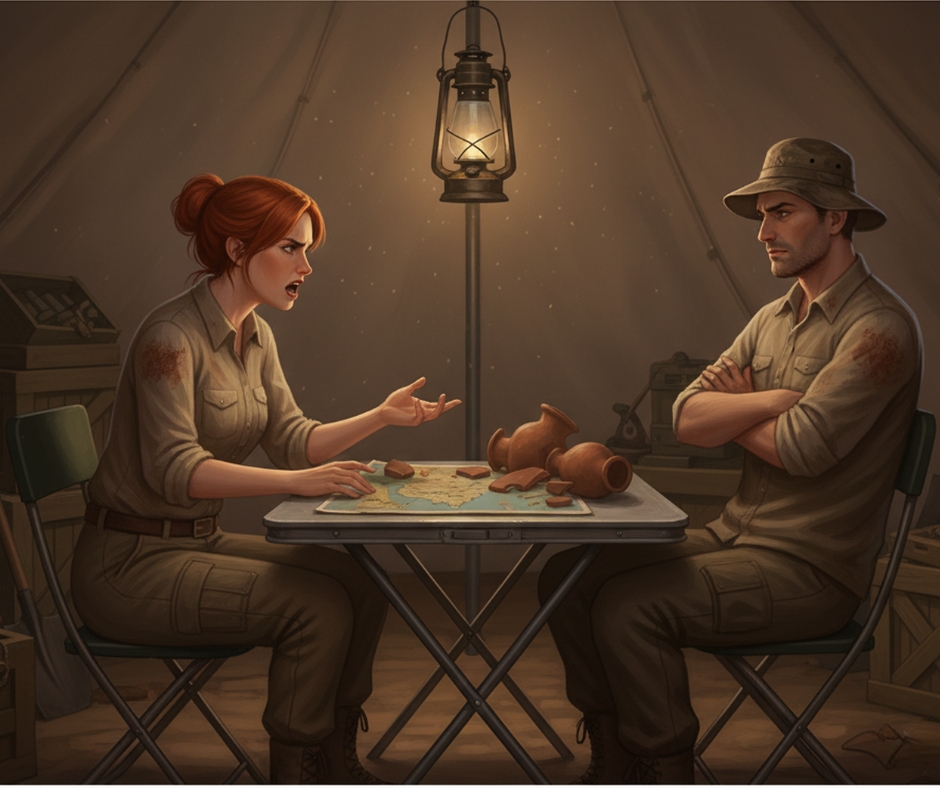
When two characters collide, something electric happens. Sparks of conflict, chemistry, and change bring stories to life in ways a single protagonist never could. Whether it’s a mentor guiding a reckless student, rivals forced to work together, or siblings bound by loyalty and resentment, having character dynamics in fiction introduces and transforms your story from good to unforgettable.
Great duos reveal contrast, vulnerability, and growth. How do these pairs become so compelling? Let’s discuss the key dynamics behind unforgettable partnerships and their powerful effect on your story’s success.
Why Character Dynamics Matter
In fiction, relationships define motion. A character alone reacts to the world; a pair reshapes it. Through dialogue, tension, and emotional mirroring, you show growth and contrast more vividly than exposition ever could. Writing compelling character dynamics in fiction helps readers connect to your story’s emotional core and keeps them turning pages to see how the relationship evolves.
At the heart of every great pair is a core dynamic. It is the underlying push and pull that defines how they interact and evolve. It’s about opposites for the sake of drama and tension rooted in purpose.
Pro Tip: Read more on how to write Character Pairings or Dynamic Duos Readers Love to build strong foundations.
Types of Dynamic Duos
- The Mentor and the Student – Guidance versus independence. The student learns, but the mentor changes too. From Yoda and Luke to Dumbledore and Harry, these pairs explore wisdom, power, and legacy.
- The Rivals – Competition breeds respect and sometimes friendship. Characters who push each other to their limits. Think Sherlock and Moriarty, or Elizabeth and Darcy.
- The Siblings – Shared history breeds fierce loyalty or rivalry; tension hides under affection.
- The Partners-in-Crime – Mutual trust under pressure reveals moral limits. From detectives to thieves, their chemistry drives both humor and drama.
- The Foils – One reveals what the other hides. Their contrasts shape transformation.
For a deeper look at famous pair structures and foil characters, see Reedsy’s guide to character relationships.
How to Build Powerful Pairings
1. Contrast is Key
Give your characters opposing goals, temperaments, or worldviews. Tension keeps the energy alive.
2. Shared Stakes Create Connection
Even opposites need common ground. A unifying goal or shared risk binds them emotionally.
3. Dialogue Reveals Relationship
Let the way they talk—interrupt, tease, or confide—show their chemistry.
4. Let Them Change Each Other
The best duos don’t just coexist; they evolve. What one lacks, the other teaches.
For more on crafting emotional nuance, explore Internal Conflict in Writing.
Common Pitfalls
- Making one character overshadow the other.
- Relying on surface-level banter without emotional depth.
- Ignoring growth—your duo should transform by the end.
Downloadable Resource
📘 Dynamic Duo Builder Worksheet
Download your free worksheet to map each duo’s goals, conflicts, contrasts, and emotional payoff.
Dynamic Duo Builder: Character Dynamics in Fiction
Write your book with us
Join the Write Your Books community on Skool. It is free to join, and you get step-by-step help, weekly prompts and other writers cheering you on.
