
Artifacts That Define Worlds: From Trinkets to Treasures
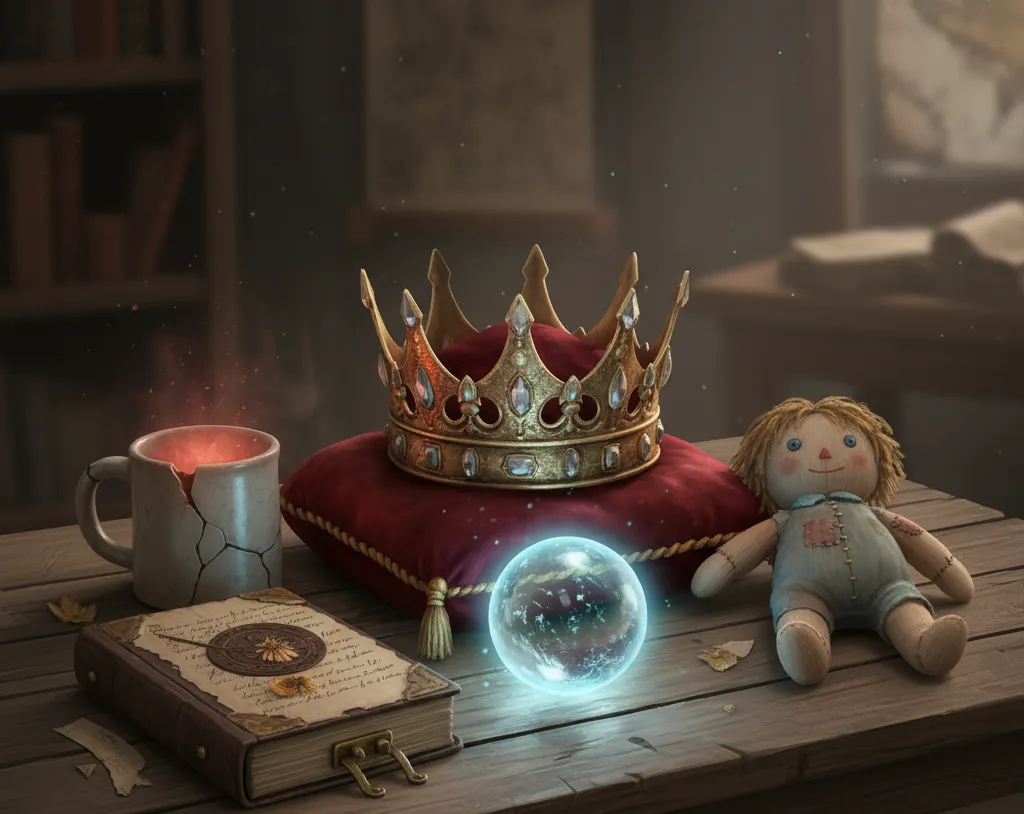
Sometimes, the smallest object can be a doorway into your world. Ever notice how a single artifact can hijack your imagination? Maybe it’s a diary tucked under floorboards, a chipped coffee cup that’s clearly seen better days, or a glowing orb that practically screams, “I’m important!” Artifacts in worldbuilding, even the small ones, can feel bigger than entire castles when they’re done right.
This article explores how story artifacts, whether ordinary or magical, can embody history, tradition, and conflict. From family heirlooms to symbols of power, these items ground your readers in the reality of your story and make your world feel lived-in.
Trinkets That Carry Weight in Worldbuilding
Every writer builds differently. Some of us start with sprawling maps; others sketch out power systems or cultures. But objects? They sneak up on you. One day, your character picks up a ring, and suddenly you’ve written three pages about its backstory.
That’s not wasted energy. It’s a gift. Story artifacts are shortcuts into your world. They embody meaning. A cracked mug might suggest that this society values repairing what’s broken over discarding it. A royal crown can reveal how heavily tradition weighs on your monarch. Even a pocket knife can carry three generations of memory.
Related Reading: Emotional Anchors: Objects That Carry Hidden Meaning
Why Artifacts Matter in Worldbuilding
Objects make your world sticky in the reader’s mind. They’re easy to remember. Readers might forget the name of your empire, but they’ll never forget the heirloom locket that curses anyone who opens it.
On a deeper level, artifacts in worldbuilding connect the personal to the cultural. A soldier’s medal is both an intimate keepsake and a piece of collective history. That dual meaning makes your world feel rich and believable.
And here’s the bonus: artifacts can drive your plot. They’re the meaningful items in stories. That enchanted harp doesn’t just sit pretty on a shelf. It tempts, it causes conflict, it sparks quests. The right artifact is both symbol and catalyst.
Using Symbolic Objects to Deepen Your Story
Next time you’re shaping your world, don’t just think about cities, landscapes, or political factions. Zoom in. Ask yourself:
- What’s the one object everyone here would recognize?
- What’s the family treasure they’d never give up?
- What’s the oddest superstition about touching or keeping it?
Those answers might hold more storytelling juice than another paragraph about your kingdom’s geography.
Here’s the fun secret: your world doesn’t always need a grand palace to feel alive. Sometimes all it takes is a crown, a dagger, or a child’s handmade doll to tell centuries of history.
Pro Tip: Writing 101: What Is Symbolism?
Final Thoughts
Let your maps, cultures, and weather set the stage. But don’t underestimate the crown, the cup, or the cursed dagger. Because sometimes the smallest things artifacts in worldbuilding carry the biggest worlds.
Related Reading: How to Build a Strong Story Structure (Without Falling into a Plot Hole)
Write your book with us
Join the Write Your Books community on Skool. It is free to join, and you get step-by-step help, weekly prompts and other writers cheering you on.
