
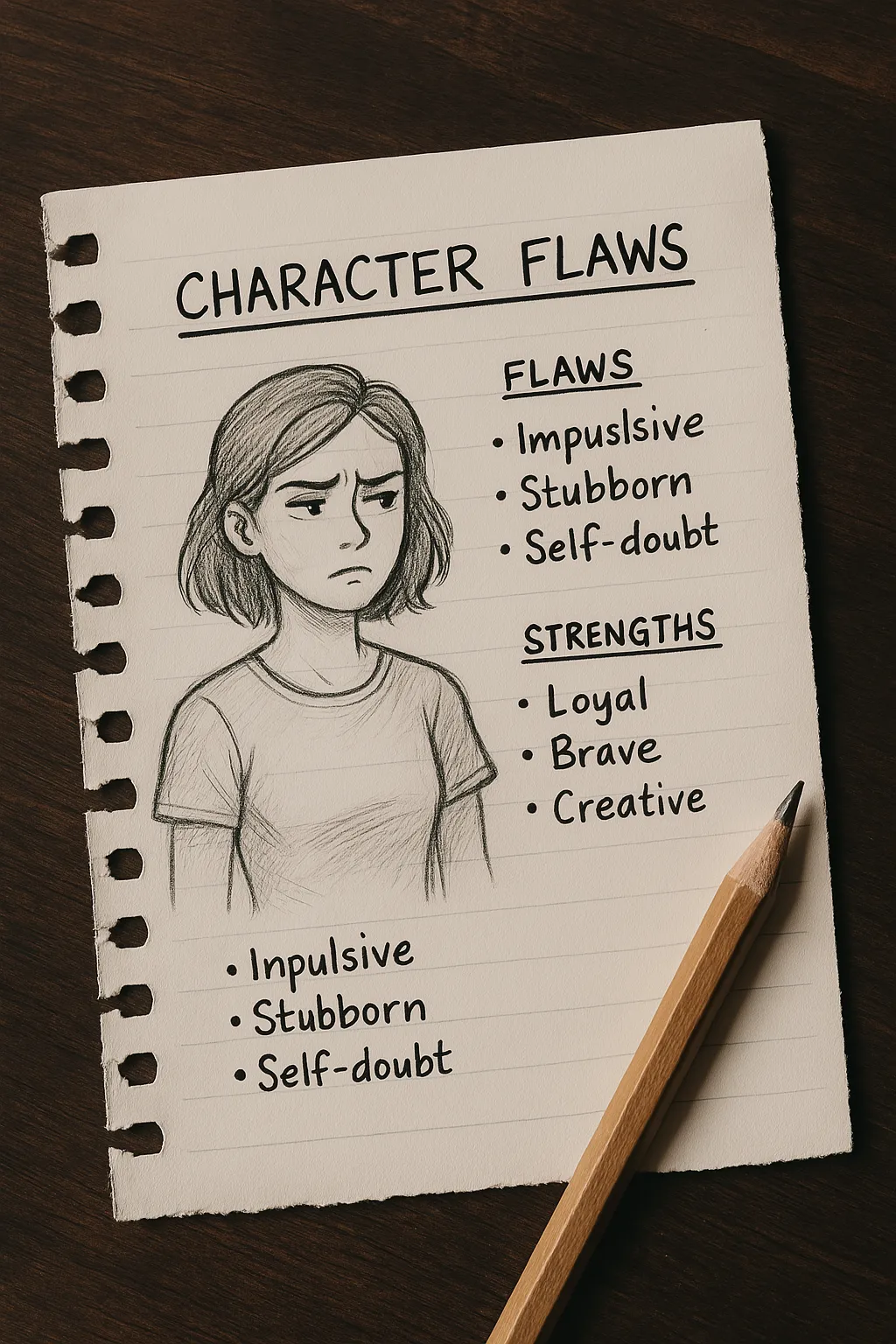
Character Flaws: Why Imperfection Makes Stories Unforgettable
Character flaws are what make fictional people feel real. A flawless character might seem ideal on paper, but on the page? It’s like eating unsalted popcorn. Technically fine, but where’s the flavor?
The truth? Readers don’t fall in love with characters because they’re perfect. They don’t connect with perfection. They connect with vulnerability. With awkward moments, dumb decisions, and stubborn streaks. Character flaws don’t make your protagonist weak—they make them human. And that’s what keeps us turning pages.
Why Perfect Characters Fall Flat
Sure, some icons like James Bond or Sherlock Holmes seem like they skipped the “flawed” memo. But even they aren’t immune to internal challenges. Sherlock’s emotional detachment? Bond’s trust issues and trauma? Flaws. Just dressed in fancy coats.
For most characters, though, perfection is poison. It eventually kills tension and eliminates growth. A protagonist who solves everything without struggle is hard to root for. Conflict drives the story, and character weaknesses are internal conflict’s best friends.
What Makes a Flaw Work?
Not all flaws are created equal. A random quirk isn’t the same as a meaningful flaw. A compelling flaw does more than make your character interesting. It shapes the story. A good flaw:
✅ Creates Obstacles: Maybe your hero’s pride pushes away allies. Maybe fear of failure keeps them from taking the leap.
✅ Reveals Deeper Layers: Flaws aren’t just quirks. They often come from pain, trauma, or past experiences.
✅ Drives Growth: The best character arcs involve confronting that flaw. Change feels satisfying when it’s earned.
Flawed characters are far more interesting. They mess things up, fix them (sometimes), and we love them for it.
Fabulous and Flawed Characters: Iconic Examples
Need a little inspiration? Let’s look at some standout examples of imperfection in action. Here are a few literary MVPs of the flawed-character game:
📚 Elizabeth Bennet (Pride and Prejudice): Her pride causes major misjudgments. But watching her realize that? Chef’s kiss.
🦾 Tony Stark (Iron Man): Brilliant and egotistical. His arrogance builds empires—and destroys relationships.
🏹 Katniss Everdeen (The Hunger Games): Her trust issues make her hard to get close to, but they also help her survive.
In addition, these characters don’t succeed despite their flaws. They succeed because they grow through them.
How to Craft Powerful Flaws in Your Characters
Building a great flaw takes more than spinning a wheel and picking “jealousy.” Here’s how to go deeper:
🔍 Dig Into the Backstory: Ask yourself what caused this flaw. Was it a betrayal? A childhood trauma? A pressure to be perfect?
🎯 Connect It to the Theme: If your story is about redemption, maybe your character can’t forgive themselves.
⚖️ Make It a Double-Edged Sword: A flaw like “stubbornness” could also be determination in disguise. That kind of tension actually adds depth.
Let the Flaw Shape the Plot
Character flaws aren’t window dressing. They’re plot fuel. When you build your story around a meaningful flaw, you open the door to:
🔥 Internal Conflict: Readers love watching characters wrestle with themselves.
🎢 Rising Stakes: The flaw leads to missteps and complications—aka juicy plot points.
🎉 Emotional Payoff: A character who earns their growth delivers a resolution that hits hard.
Final Thoughts: Flaws Are the Magic
In the end, characters who mess up, learn, fall short, and try again are the ones we root for. We see ourselves in them. Perfection might look shiny, but it doesn’t feel real. Flaws are what make stories memorable and characters unforgettable.
If you’re wondering how to raise the stakes around your character flaws, check out this guide on creating conflict in fiction. Conflict and flaws go hand in hand.
Want to see how personality can be the plot? Laura C. Cantu’s Substack article has a great example of flaw-driven storytelling.
Write your book with us
Join the Write Your Books community on Skool. It is free to join, and you get step-by-step help, weekly prompts and other writers cheering you on.
